The Offer Starts With Understanding the Whole Deal
An investor offer should not feel like a number pulled out of thin air.
When REWholesalers looks at a property, we are not starting with a fixed percentage of retail value and trying to force every deal into the same formula. We start with the property itself, the condition it is in today, what similar properties are actually selling for, what it may cost to repair or reposition it, how long that process may take, and what risks come with the transaction.
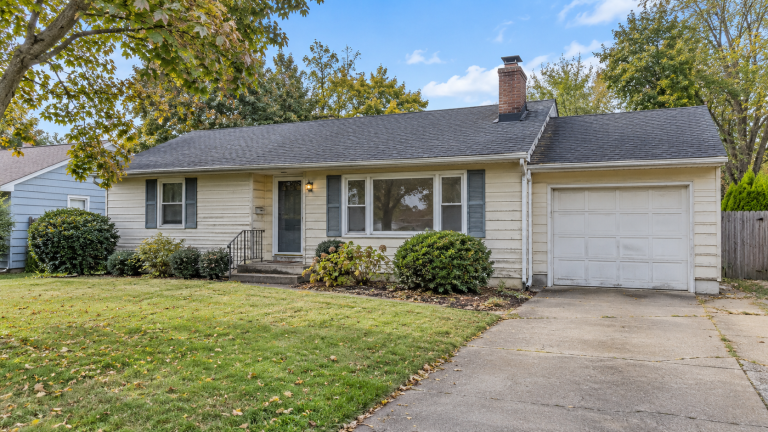
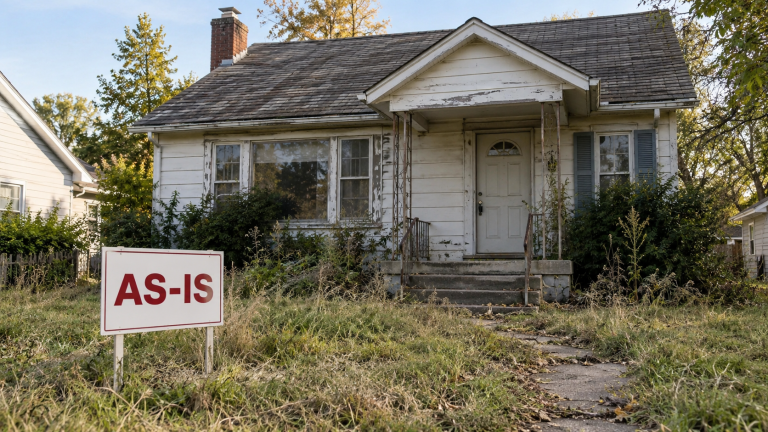
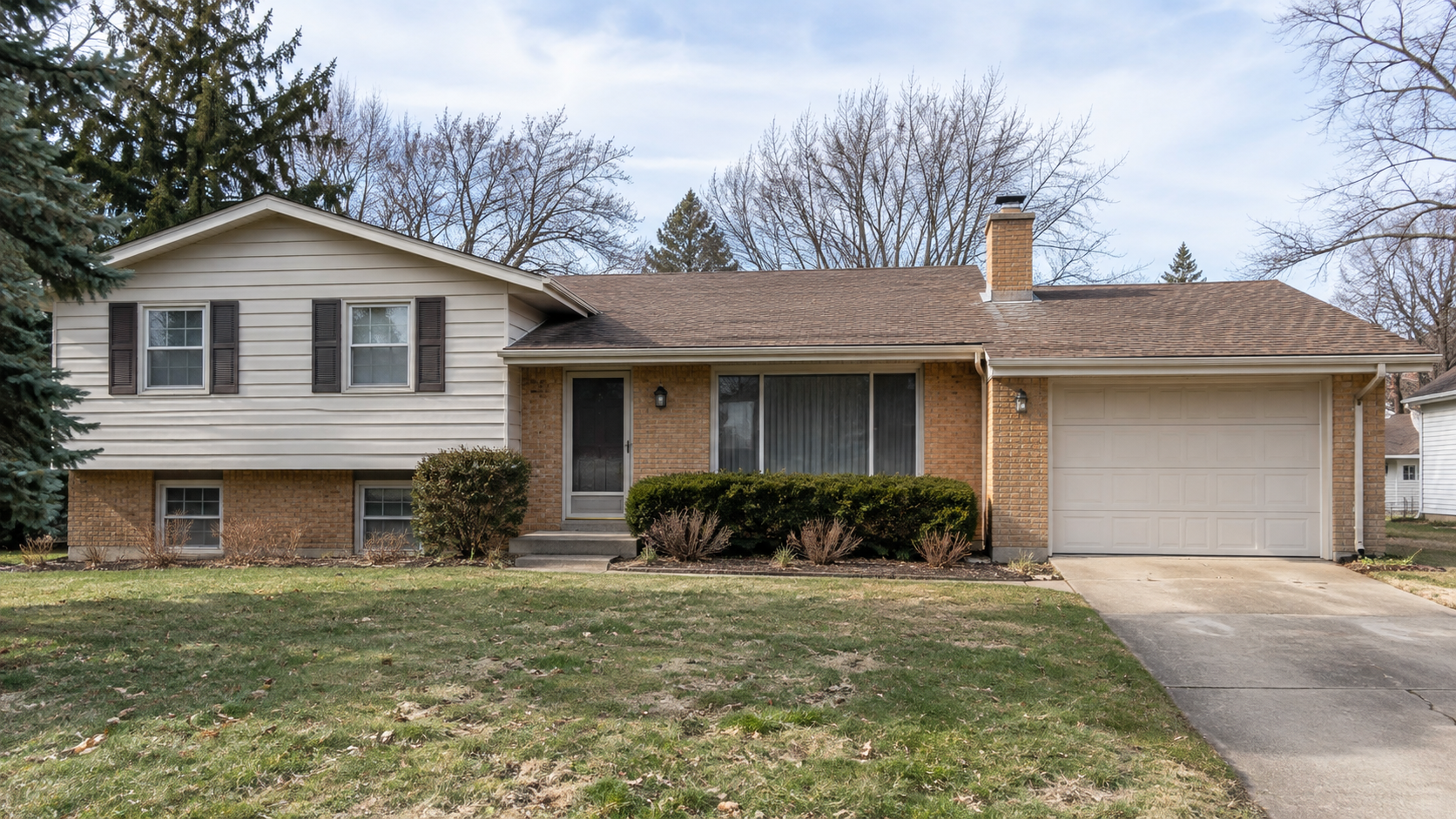
That is why two houses that look similar on paper can lead to very different offers. One may need mostly cosmetic work and sit in a market where renovated homes sell quickly. Another may have an older roof, deferred maintenance, a tenant in place, title complications, or a much slower resale market. The properties may have similar square footage, but the economics of the transactions are not the same.
The goal is not to reduce the property to a formula. The goal is to understand what the deal can realistically support.
The Offer Starts With the Property, Not a Formula
Before we can decide what we can reasonably pay, we have to understand what we are actually buying. That means looking at the property as it sits today rather than focusing only on what it might be worth after repairs.
We may consider the condition of the roof, foundation, plumbing, electrical systems, HVAC, windows, kitchens, bathrooms, flooring, exterior condition, drainage, driveway, landscaping, and any other visible or known issues that may affect the property. Some of those items may be minor. Others can materially change the economics of the deal.
A dated kitchen may simply need cosmetic updates. A roof nearing the end of its useful life can mean a much larger immediate expense. A property that looks fine in photographs may still have deferred maintenance that becomes obvious during a walkthrough.
We do not need every property to be perfect. We do need to understand what we are taking on. That is also why the first number attached to a property may be preliminary. Early in the process, we may be working from photographs, seller-provided information, public records, and what we can observe from the outside. As we learn more, the evaluation becomes more precise.
Comparable Sales Help Us Understand the Market
Comparable sales are an important part of determining an offer because they help us understand what similar properties are actually selling for in the surrounding market.
We look for properties that are reasonably close in location, size, age, style, and condition. The more similar the property, the more useful the comparison tends to be. But even strong comparables have limitations.
A fully renovated home with a new roof, updated systems, modern kitchen, and fresh finishes is not the same thing as a property of similar size that needs significant work. The renovated sale may tell us where the market could be after improvements, but it does not tell us what it will cost to get another property from its current condition to that point.
We also look at active listings because they help show what is currently available in the market, but asking prices are not completed transactions. A house can sit for months at a number buyers are not willing to pay. Closed sales usually tell us much more about where real buyers and real sellers are actually meeting.
That is why comparable sales give us context rather than automatically determining the offer. They help establish a range, but the property itself still has to be evaluated within that range.
Repair Costs Affect More Than the Repair Budget
Repair estimates matter because they affect what we can reasonably pay for the property, but the direct cost of the work is only part of the impact.
A larger renovation can mean more time, more financing cost, more insurance, more property taxes, more utilities, more contractor coordination, and more exposure to changing market conditions while the work is being completed. If a renovation takes three months instead of three weeks, that difference affects the transaction.
Projects that require permits, specialty trades, structural work, major mechanical replacement, or extensive deferred maintenance may also introduce more uncertainty. Even a carefully prepared repair estimate is still an estimate until the work begins and the full condition of the property becomes known.
This is why we do not simply subtract the repair budget from an expected resale price and call the remaining number the offer. The amount of time involved matters. The amount of capital tied up in the property matters. The possibility that additional costs appear after work begins matters too.
The more complicated the project, the more room the transaction generally needs to support it.
Holding Costs Matter Even When They Are Easy to Ignore
Real estate continues to cost money while it is being owned, even when nothing dramatic is happening with the property.
Depending on the transaction, those costs may include financing, property taxes, insurance, utilities, maintenance, lawn care, HOA fees, security, and other expenses that continue until the property is sold, leased, refinanced, or otherwise stabilized.
Those costs may be relatively modest when a property moves quickly. They can become significant when renovation takes longer than expected or a property sits on the market.
That is one reason timing matters in our evaluation. We are not only asking what the property may eventually be worth. We are also asking what it is likely to cost to get from where the property is today to that future point.
A deal that looks attractive when only purchase price and resale value are considered can look very different once the full cost of ownership is included.
The Exit Strategy Has to Make Sense
Before we determine what we can offer, we also want to understand the realistic path for the property after acquisition.
That could mean renovating and reselling it. It could mean holding it as a rental. It may involve selling it to another investor. In some transactions, it may mean assigning our contractual interest if the agreement and circumstances allow it.
Each of those paths creates different economics.
A landlord may care more about rent, cash flow, insurance, property taxes, and tenant demand. A rehab buyer may be more focused on repair scope, renovation time, and resale value. A builder may care more about the underlying land than the structure sitting on it.
Understanding the likely exit helps us evaluate the property within the actual market rather than as an abstract number on a spreadsheet. If the path forward is clear and supported by buyer demand, we can generally evaluate the property with more confidence. If the exit is uncertain or depends on several things going exactly right, the numbers may need to be more conservative.
Transaction Complexity Can Affect the Offer Too
Not every difficult transaction is difficult because of the physical property.
Sometimes the complication is in the ownership, title, occupancy, or closing process. A property may involve probate, multiple owners, liens, tenants, code violations, delayed possession, title problems, access issues, or other circumstances that take additional time and coordination to resolve.
Those issues do not automatically make a property a bad opportunity. They do affect the amount of uncertainty involved.
A vacant property with clean title and easy access is a different transaction from one where closing depends on resolving ownership questions, obtaining cooperation from several parties, or addressing outstanding liens before the transfer can occur.
We look at those circumstances because the transaction has to work in the real world, not just in a spreadsheet. If a particular issue adds time, cost, or uncertainty, that becomes part of determining what the deal can support.
We Have to Leave Room for Normal Uncertainty
Every real estate transaction contains some uncertainty, even when the property appears straightforward at first.
Repairs can cost more than expected. A property can take longer to sell. Insurance premiums can come in higher than anticipated. Taxes can change. Contractors can uncover problems once work begins. The resale market can soften while the property is being renovated.
That does not mean we assume the worst or build every possible disaster into an offer. It means the transaction needs enough room to absorb the ordinary surprises that come with owning and repositioning real estate.
An offer that only works if everything goes perfectly is usually not a very strong offer.
We would rather make a number we believe we can actually perform on than stretch to a number that leaves no room for reality. That matters for us, but it also matters for the seller. A higher contract price does not help very much if the buyer later discovers they cannot make the numbers work and never gets to closing.
Profit Is Part of the Equation
REWholesalers is a real estate investment and wholesaling business, and we intend to make a profit when we participate in a transaction.
That profit may come from buying and reselling a property, holding it, improving it, or assigning our contractual interest when the transaction is structured that way. We do not believe that should be hidden or treated as something the seller is not allowed to understand.
At the same time, we do not believe an investor discount should exist without something being provided in return.
If a seller is accepting less than what the property might potentially bring in a traditional retail sale, there should be a reason that tradeoff makes sense for them. Maybe they are avoiding repairs and the time and expense that come with them. Maybe they want a simpler transaction. Maybe the property has condition, occupancy, or title issues that make a traditional sale more difficult. Maybe certainty or timing matters more than maximizing the last possible dollar.
The seller should understand both sides of that tradeoff. They should know what they may be giving up in price and what they are receiving in return through the structure of the transaction.
The Highest Number Is Not Always the Strongest Offer
One of the easiest mistakes to make when comparing real estate offers is to look only at the purchase price.
Price matters, but it does not exist in isolation. Contingencies, due diligence periods, financing, earnest money, closing timelines, access requirements, assignment rights, and the buyer’s ability to actually perform can all affect the strength of an offer.
A seller comparing two offers may discover that the higher number comes with a long inspection period, multiple contingencies, weak earnest money, or a buyer who still has to secure financing. Another offer may be slightly lower but involve fewer moving parts and a clearer path to closing.
Neither structure is automatically right or wrong. Different sellers have different priorities.
One seller may be willing to accept more uncertainty in exchange for the possibility of a higher price. Another may place more value on certainty, speed, convenience, or avoiding repairs.
That is why we believe the best-looking number is not always the best-fitting offer. The right offer is the one that makes sense when the entire transaction is considered.
When New Information Changes the Number
We try to make the most informed offer we can before entering into a contract, but sometimes new information changes the economics of the deal.
A walkthrough may reveal major repairs that were not visible in photographs. Title work may uncover an issue no one knew about. A tenant situation may be different from what was originally understood. A contractor may determine that a repair will cost substantially more than expected.
When something material changes, the evaluation may change too.
That does not mean due diligence should become a routine excuse to renegotiate every transaction. We do not believe getting a property under contract gives a buyer permission to manufacture a reason to reduce the price later simply because they want a better margin.
There is a meaningful difference between discovering something material and regretting the original number.
If our offer changes because new information changes the deal, we should be able to explain exactly what changed, why it matters, and how it affects the transaction. The seller may or may not agree with the revised number, but they should not be left guessing about where it came from.
A Good Offer Should Be Explainable
At the end of the process, we should be able to explain how we arrived at our number in plain language.
That does not mean the seller will always agree with it. They may believe the property is worth more. Another investor may evaluate the opportunity differently. A traditional listing may ultimately produce a better result.
All of those things are possible.
What matters is that the offer makes sense when the property, repairs, market, holding costs, transaction structure, and risks are considered together. The number should have a reason behind it.
We are not trying to convince every seller that our offer is automatically the right one. We are trying to determine what we can reasonably pay while still having a transaction we believe we can perform on.
That distinction is important because an offer is only useful if there is a realistic path from signing the agreement to actually closing the transaction.
The Number Has to Make Sense for Both Sides
A real estate transaction only works when both sides decide the tradeoff makes sense for them.
For us, the offer has to leave enough room to cover the property, the expected costs, the work involved, the risks we are taking, and the margin required for the transaction to make business sense.
For the seller, the offer has to be weighed against their other options. That may include listing traditionally, making repairs first, continuing to rent the property, accepting another investor offer, or deciding not to sell at all.
Sometimes the number that works for us also works for the seller. Sometimes it does not.
That does not necessarily mean either side is wrong. It may simply mean the transaction is not a fit.
We would rather be clear about what we can do than put a property under contract at a number we do not believe we can support and try to solve the problem later.
That is ultimately how we think about an offer. It is not a percentage we apply to every property, and it is not a number designed simply to start a negotiation. It is the result of understanding the property, the market, the costs, the transaction, and the likely path forward well enough to decide what we can realistically pay.
When that evaluation is done well, the number should not need to feel mysterious. A seller should be able to understand how we got there, what assumptions are built into it, and what they are receiving in exchange for choosing an investor transaction rather than another way of selling.
That does not guarantee that our offer will be the right fit for every seller.
It does mean there should be a clear reason behind it.
RELATED CONTENT TO LINK:
How Our Process Works
How We Evaluate Properties
Selling a Property As-Is
Understanding Your Offer
What Happens During Due Diligence
LET’S SEE IF IT’S A FIT
Have a Property You Want Us to Look At?
Tell us what you have and what you’re trying to accomplish. We’ll review the property, look at the situation, and let you know whether it appears to be something we can help with.
No obligation. Just a conversation.