What We Look at Before We Put a Number on a Property
A property is never just an address, a square-footage number, and a value pulled from an online estimate.
When REWholesalers looks at a property, we are trying to understand the entire transaction. That includes the physical condition of the property, what similar homes are actually selling for, the likely repair scope, how long the property may take to resell or reposition, whether there are occupancy or title complications, and whether there is a realistic buyer or exit strategy on the other side.
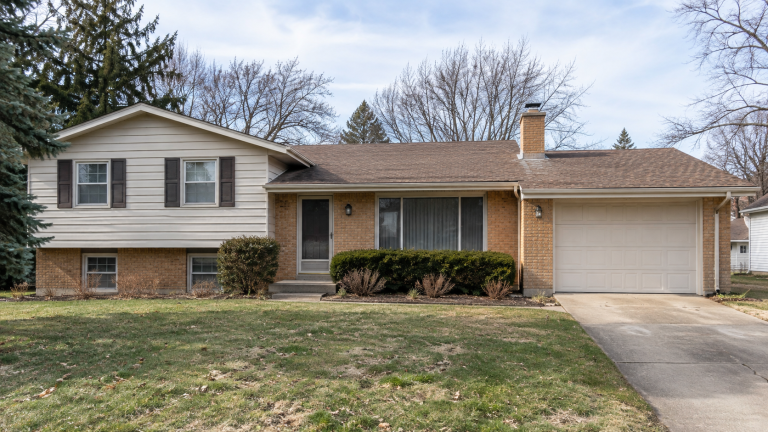
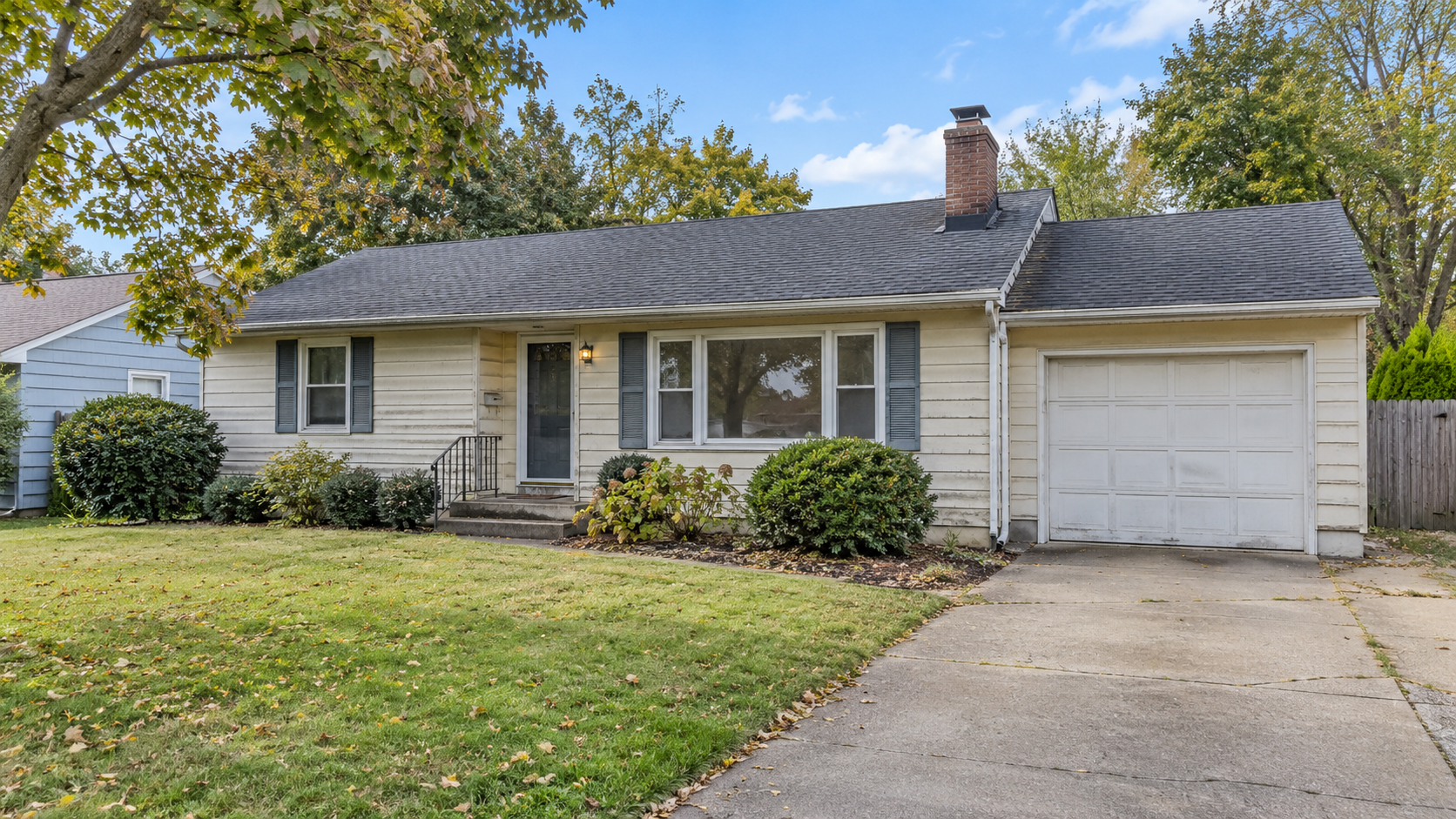
Two properties can sit on the same street, have similar layouts, and still require completely different evaluations. One may be vacant, structurally sound, and relatively easy to renovate. Another may have tenants in place, deferred maintenance, unresolved title issues, and a much longer path to closing. The real estate may look similar on paper, but the transactions are not the same.
That is why we do not believe in forcing every property through a single formula. We want to understand what is actually there, what the property may require, what the market is doing around it, and whether there is a realistic path forward before we decide what the property is worth to us.
We Start With the Information We Actually Have
The evaluation usually begins with the basics: the property address, property type, condition, occupancy, known repairs, seller timeline, and anything unusual about the situation.
From there, we may review public records, recent sales, active listings, tax information, rental data, local buyer activity, and other information that helps us understand the market around the property. That gives us a starting point, but public data only goes so far.
A property record may show three bedrooms and two bathrooms, but it does not tell us that one bathroom has been unusable for several years. An online listing may make a roof look fine from the street while hiding active leaks, damaged decking, or interior water intrusion. A county record may show one owner while an unresolved estate issue makes the actual closing process more complicated than it first appears.
That is why we treat an early evaluation as exactly that: an early evaluation. We can make reasonable assumptions based on the information available, but the quality of the decision improves as we understand more about the property and the circumstances around it.
Comparable Sales Help, But They Do Not Decide the Deal
Comparable sales are an important part of evaluating real estate, but they are not the entire answer.
We want to understand what similar properties have actually sold for in the surrounding area, especially when those properties are close in location, size, age, condition, and style. The more similar the property, the more useful the comparison can be. But even good comparables have limits.
A fully renovated home with a new roof, updated mechanical systems, modern kitchen, and clean exterior is not the same thing as a property of similar size that needs substantial repairs. The sale price of the renovated home tells us something about the market, but it does not tell us what it will cost to move another property from its current condition to that same point.
Current listings are useful too, but asking prices are not completed sales. A property can sit on the market for months at a number no buyer is willing to pay. Closed transactions usually tell us more about where real buyers are actually meeting real sellers.
That is why we look at comparables as context, not as an automatic formula. They help us understand the range of possibilities, but they do not replace judgment about the actual property in front of us.
Condition Matters More Than Cosmetic Appearance
One of the biggest variables in any property evaluation is condition.
We are not only looking at whether the flooring is dated or the paint needs to be refreshed. We may need to understand the condition of the roof, foundation, plumbing, electrical systems, HVAC, windows, structure, kitchens, bathrooms, exterior surfaces, drainage, driveways, septic systems, wells, garages, or outbuildings.
Some problems are easy to see. Others are not.
A stained ceiling could be the result of an old leak that was repaired years ago, or it could indicate an active roof problem with hidden damage behind the drywall. A crack in a wall may be cosmetic, or it may point to movement that requires more investigation. A kitchen may simply be outdated, or there may be plumbing, electrical, or structural work hiding behind the finishes.
That is one reason we try not to make final judgments from photographs alone. Photos are useful. They help us understand the property quickly and often give us a good starting point. But they do not replace a walkthrough, contractor input, or deeper due diligence when the condition of the property materially affects the economics of the deal.
Repair Costs Are Only Part of the Equation
Repair estimates matter because they affect what we can reasonably pay for a property, but the direct cost of the repair is only one part of the impact.
A larger renovation can mean more time, more financing cost, more insurance, more property taxes, more utilities, more contractor coordination, and more market exposure while the work is being completed. So a $20,000 repair does not always have only a $20,000 effect on the transaction.
The length of the project matters. The amount of capital tied up in the property matters. The possibility that costs increase once work begins matters too.
Early in the evaluation process, we may use reasonable estimates based on what we can see and what we have been told. As more information becomes available, those estimates may become more precise. That is normal.
The important thing is whether changes are tied to real information rather than being used as an excuse to move the numbers after the fact.
Occupancy Can Change the Entire Nature of the Deal
A vacant property, an owner-occupied property, and a tenant-occupied property may all require different thinking.
A vacant property may be easier to access, inspect, repair, and prepare for resale. An owner-occupied property may require flexibility around timing so the seller has a realistic move-out plan. A tenant-occupied property can involve an entirely different set of questions, including lease terms, rent, deposits, payment history, maintenance obligations, and whether the tenant intends to remain.
Sometimes an occupied rental is attractive precisely because it is producing income and has a stable tenant in place. Other times the tenancy may create additional complexity that has to be considered in the evaluation.
That is why occupancy is not just a logistical issue. It can materially affect how the property is evaluated and what kind of buyer or strategy may make sense.
Location Is More Than a ZIP Code
Real estate is local, and sometimes the difference between two properties is only a few blocks.
We may look at broad market conditions, but we also want to understand what is happening immediately around the property. School districts, traffic patterns, neighborhood condition, nearby development, flood zones, rental demand, buyer activity, housing inventory, and access can all affect value.
A property may sit in a market where renovated homes sell quickly and buyers are competing for inventory. Another property may be in an area where buyers are extremely price-sensitive and homes take much longer to move.
Those differences matter because a strong property in a weaker micro-market may still require a more conservative evaluation than a similar property where buyer demand is deep and predictable.
The market around the property has to support the strategy.
We Think About the Exit Before We Think About the Offer
One of the most important questions we ask is what the realistic path for the property may be after acquisition.
That might mean renovating and reselling it. It might mean holding it as a rental. It could mean selling it to another investor. In some transactions, it may mean assigning our contractual interest if the agreement and circumstances allow it.
Different exits create different economics.
A landlord may care more about rent, cash flow, and tenant demand. A rehab buyer may care more about renovation scope and resale value. A builder may care more about the land than the existing structure. An investor purchasing for long-term hold may tolerate things that a retail buyer would not.
Understanding the likely exit helps us evaluate the property within the real market rather than as an abstract number on a spreadsheet. It also helps us determine whether the property fits the buyers and strategies available to us in that particular market.
Title and Transaction Issues Matter Too
Sometimes the property itself is not the most complicated part of the deal.
A property can be physically attractive and still have title, ownership, or transaction issues that affect how quickly or cleanly it can close. We may need to understand whether there are mortgages, liens, judgments, unpaid taxes, probate issues, multiple owners, unresolved estates, code violations, access issues, or other complications.
Some of these are routine and can be resolved through the normal closing process. Others take time, additional documentation, or cooperation from multiple people.
The point is not that every property has to be perfect. The point is that the transaction has to be understood.
If a title issue adds time, cost, or uncertainty, that becomes part of the overall evaluation just like a roof problem or major repair would.
Market Demand Ultimately Has the Final Say
A spreadsheet can tell us what a property should be worth. The market decides what someone will actually pay.
That is why we pay attention to current buyer behavior. We want to know how quickly similar properties are selling, whether investors are still buying aggressively in the area, whether renovated homes are moving or sitting, whether landlords are acquiring rentals, and whether financing, insurance, taxes, or inventory are changing the economics of the market.
The numbers that worked six months ago may not work today.
A property that looked like an easy resale in a fast-moving market may require more caution if inventory rises or buyers become more selective. A rental that once produced attractive cash flow may look different after insurance or tax costs increase.
A good evaluation has to reflect the market we are operating in now, not the market we wish we were in.
When New Information Changes the Deal
We try to evaluate a property as carefully as possible before making an offer, but there are situations where new information changes the economics of the transaction.
A walkthrough may uncover damage that was not visible in photos. Title work may reveal a lien no one knew about. A tenant arrangement may be different from what was originally understood. A contractor may determine that a repair is substantially more expensive than expected. Those things can have a real effect on what the property is worth to us and how the deal needs to be structured.
That does not mean due diligence should be used as an excuse to renegotiate every transaction. We do not believe putting a property under contract gives a buyer permission to manufacture a problem later simply because they decide they want a better deal.
There is a meaningful difference between discovering something material and regretting the number you originally agreed to.
If our evaluation changes, we should be able to explain what changed, why it matters, and how it affects the transaction. That does not make every adjustment easy for a seller to hear, but clarity matters more than vague explanations. If the numbers move, there should be a reason behind it that can be understood.
What We Are Really Trying to Determine
At the end of the evaluation process, we are not trying to answer one question. We are trying to understand whether the property, the transaction, and the likely path forward make sense together.
That means looking at whether the property fits what we are currently buying or what investors in our network are looking for, whether we understand the major risks well enough to make a reasonable decision, and whether there is a realistic exit or next step after acquisition. We are also looking at whether the price and structure make sense not only on paper, but within the actual market.
Sometimes the answer is yes. Sometimes it is not.
There are properties we may like but cannot make it work at the seller’s number. There are properties where the condition is manageable but the title or occupancy situation creates too much uncertainty. There are others where the property may be a good opportunity, but the seller would be better served by listing traditionally or taking a different path.
We would rather reach the right conclusion than force every property into a transaction. That is why the evaluation comes before the offer.
The number should come from understanding the property, not from trying to reverse-engineer a deal after the fact.
A Good Evaluation Should Make the Offer Easier to Understand
One of the reasons we spend time evaluating the property is so the offer makes more sense when it is presented.
A seller may not agree with our number, and that is completely possible. But they should be able to understand the factors behind it.
If the property needs substantial repairs, that should be part of the explanation. If the market is soft, that matters. If the property is tenant-occupied, carries title complications, or requires a longer path to resale, those things should not be hidden behind a vague “this is just what investors pay.”
We believe the more clearly the evaluation is understood, the easier it is for a seller to decide whether the offer actually fits their situation.
That does not mean every offer will be the right one.
It means the seller should have enough information to make an informed decision.
The Property Comes First
The simplest way to describe our approach is this: we look at the property first, then determine what kind of transaction makes sense.
We do not start with a predetermined formula and try to force every property into it. We look at condition, market, repairs, occupancy, title, timing, buyer demand, and the likely next step for the property. Then we work backward from what the deal can realistically support.
That approach may take a little more thought upfront, but we believe it creates better transactions.
Two similar properties can require completely different solutions.
The job of the evaluation is to understand why.
RELATED CONTENT TO LINK:
How Our Process Works
How We Determine an Offer
Selling a Property As-Is
What Happens During Due Diligence
LET’S SEE IF IT’S A FIT
Have a Property You Want Us to Look At?
Tell us what you have and what you’re trying to accomplish. We’ll review the property, look at the situation, and let you know whether it appears to be something we can help with.
No obligation. Just a conversation.